Short answer: yes, by Caribbean standards Barbados is one of the more settled islands to visit. As of the latest update on 10 April 2026, the US State Department rates it Level 1: Exercise Normal Precautions, its lowest advisory level. The UK Foreign, Commonwealth & Development Office (FCDO) does not advise against any travel to Barbados.
That does not mean there is nothing to think about. Both governments flag petty crime in tourist areas, the UK also notes violent crime, and the sea is the risk most visitors underestimate. This guide sets out what the official advice actually says, and what it means if you are staying in a private Barbados villa rather than a hotel.
What the US and UK governments say
US State Department: Level 1
The US State Department advisory for Barbados is Level 1, “Exercise normal precautions”, in the version issued on 10 April 2026 (read 19 November 2026). It describes Barbados as generally safe. It notes that petty crime is common in popular tourist areas, and that most crimes against foreigners are crimes of opportunity such as bag snatching and pickpocketing. Its practical advice: take care walking or driving at night, keep a low profile, don’t display expensive watches or jewellery, stay alert at banks and ATMs, and don’t resist if someone attempts a robbery.
UK FCDO
The FCDO’s Barbados safety advice says most visits are trouble-free, but that there have been incidents of violent crime, including armed robbery, sexual assault, gang-related shootings and carjackings. It advises British visitors to stay aware of their surroundings, take sensible precautions, and keep valuables and travel documents in a safe. Like most FCDO advice pages, it also states that terrorist attacks cannot be ruled out, while noting there is no recent history of terrorism on the island.
Read side by side, the two are consistent: the realistic risk for visitors is opportunistic theft, with more serious crime largely concentrated away from the areas visitors stay in. Advice changes, so check both pages again in the week before you travel.
The bigger risk: the sea
The FCDO’s swimming advice deserves more attention than its crime section. It warns that currents can be deceptively strong, including on some popular south- and west-coast beaches, that many beaches have no lifeguards or warning flags, and that swimming is not recommended on many east-coast beaches. Jet skis, dive boats and catamarans also operate close to shore.
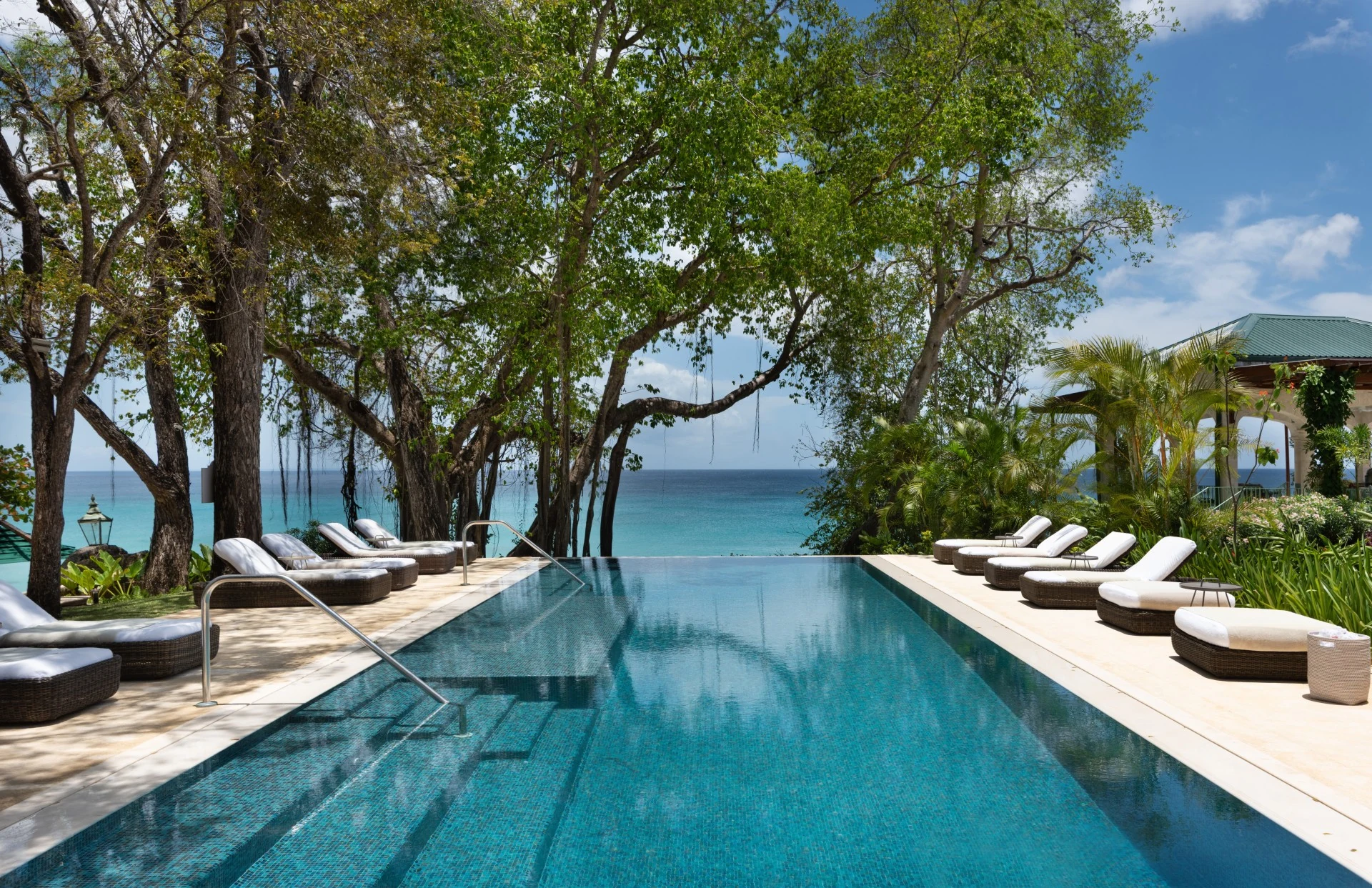
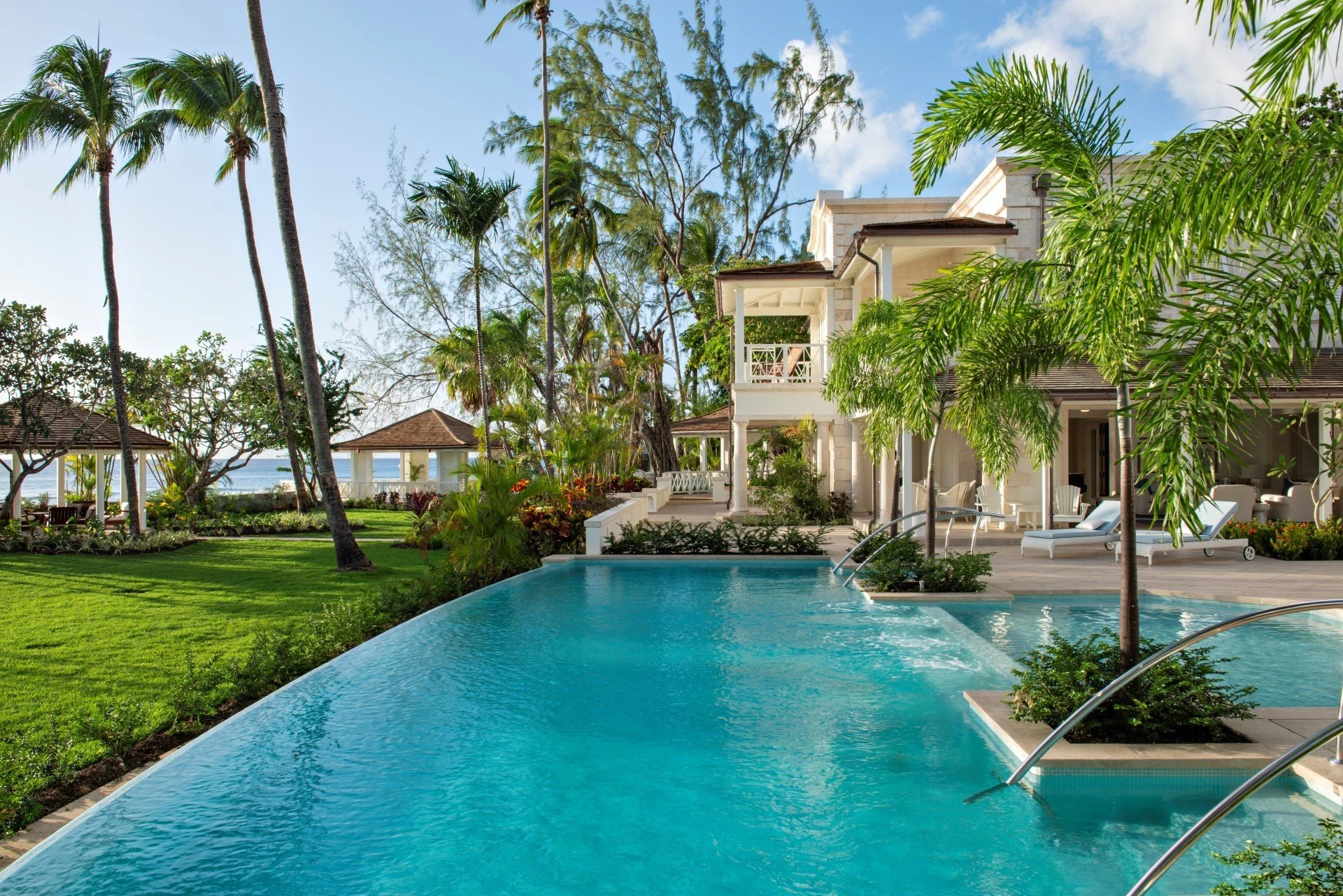
- West coast (St James, St Peter): usually the calmest water on the island, which is one reason most villas are here. Calm is not the same as risk-free; watch for boat traffic.
- East coast (Bathsheba and the Atlantic side): beautiful to look at, often dangerous to swim. Treat it as a sightseeing coast.
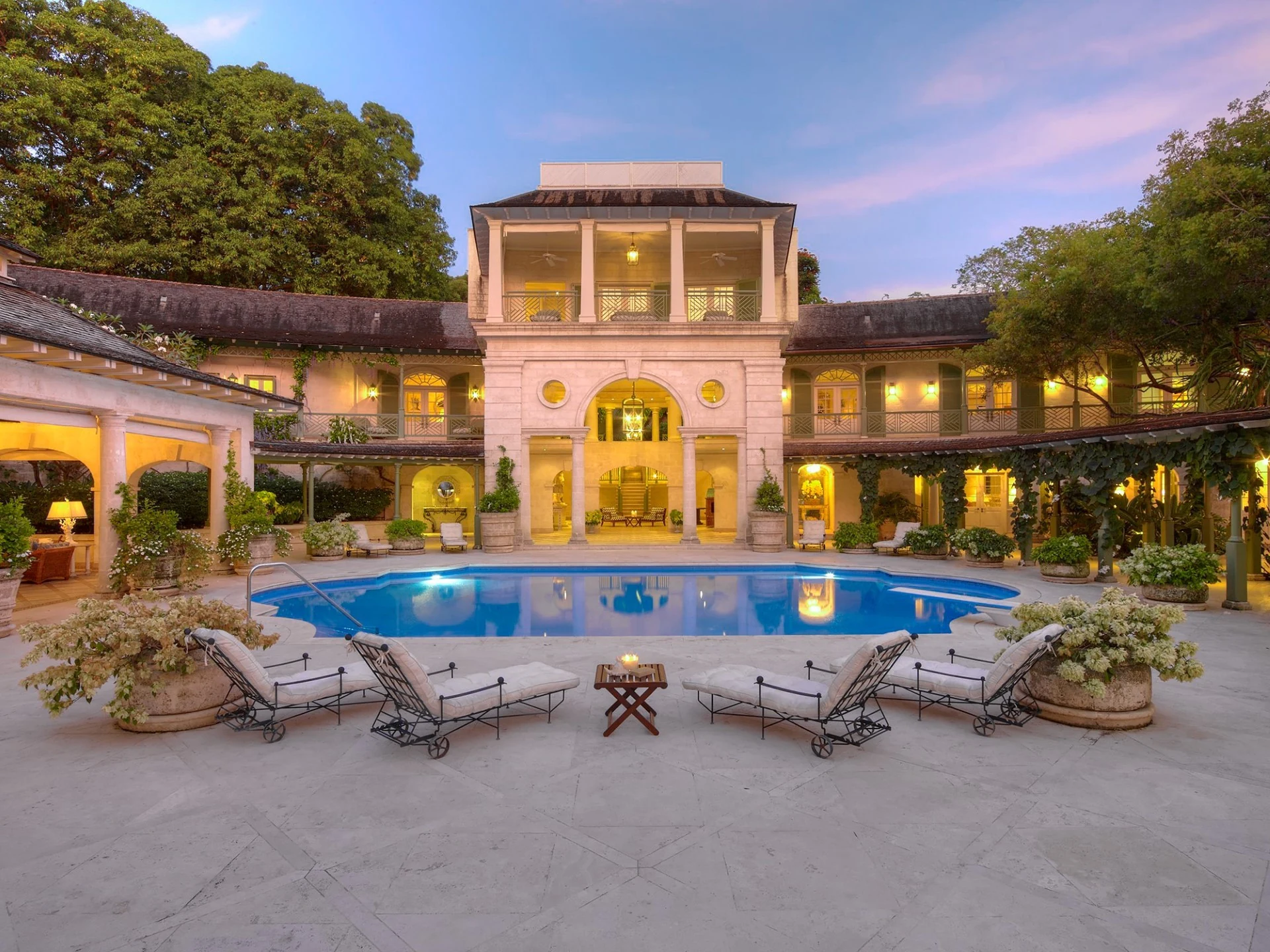
- Your villa pool: with children, ask the villa manager about pool fencing or alarms before you book. Most private pools have neither as standard.
What changes when you stay in a villa
A villa gives you privacy, which is the point, but you don’t have a hotel lobby or a 24-hour front desk. A few things matter more:
- Gated estates. Sandy Lane, Royal Westmoreland, Sugar Hill and Apes Hill are gated developments with controlled entry. If that matters to your group, start there. Villas such as Laughing Waters and Sanzaru sit inside the Sandy Lane estate.
- Staff on site. Larger estates usually come with a housekeeper, butler or caretaker during the day. Ask what the overnight arrangement is; it varies by villa.
- Use the safe and the alarm. The US advice not to open the door unless you know who is there applies to villas as much as hotels. Lock up and set the alarm when you go out, and keep passports in the safe.
- Beach access. On the St James and St Peter coast, all beaches are public. A villa with beach access means you share the sand with other people, which is normal and not a security problem, but don’t leave bags unattended.
Not sure which area suits your group? Our guide to where to stay in Barbados compares them area by area.
Getting around safely
- Taxis: the FCDO notes that taxis don’t have meters. There are standard fares to most destinations; agree the fare in Barbados dollars before you set off and carry cash, as drivers don’t always take cards. Your villa manager can book a driver they know.
- Driving: Barbados drives on the left. Since 15 October 2025, visitors no longer need a separate visitor driving permit; bring your home licence and check the car hire company’s requirements. Roads are narrow and often unlit, which is why the US advice singles out driving at night.
- Nights out: Holetown on the west coast and St Lawrence Gap on the south coast are busy in the evening. Take a taxi home rather than walking unlit roads or beaches after dark.
Health and weather
- Hurricane season runs from June to November. Barbados sits further east than most of the Caribbean, but it is not outside the hurricane belt. If you travel in these months, buy insurance that covers weather cancellation and follow the Barbados Government Information Service if a storm is forecast.
- Mosquito-borne illness such as dengue occurs across the Caribbean. Use repellent, and check CDC (US) or TravelHealthPro (UK) before you travel.
- Insurance: both governments recommend travel insurance that covers medical treatment and evacuation.
- Emergency: the ambulance number is 511. Save it, along with your villa manager’s number, before you arrive.
Local laws worth knowing
- It is illegal for civilians, including children, to wear camouflage clothing in Barbados.
- The FCDO notes that attitudes towards LGBT+ people in the Caribbean are mostly conservative. Barbados’s High Court struck down the laws criminalising same-sex relationships in December 2022.
Barbados villas by area
Browse all Barbados villa rentals, or start with the area that suits your group:
- Sandy Lane villas: Gated estate around the golf courses, south of Holetown. Including Sanzaru (12 bedrooms) and Laughing Waters (12 bedrooms).
- St James villas: The heart of the Platinum Coast: Paynes Bay, Holetown and the calmest beaches. Including Crystal Springs (12 bedrooms) and Cove Spring House (10 bedrooms).
- St Peter villas: Quieter northern west coast: Mullins, Gibbs and Speightstown. Including The Great House (12 bedrooms) and The Ridge (11 bedrooms).
- Royal Westmoreland villas: Gated golf estate on the hills above the west coast. Including St Lucy (7 bedrooms) and Howzat (6 bedrooms).
- Sugar Hill villas: Gated hillside estate with tennis and sea views. Including Monkey Hill (8 bedrooms) and Sugar House (6 bedrooms).
- Apes Hill villas: Highland golf estate in the cool centre of the island. Including Fairwinds (6 bedrooms) and Above the Clouds (6 bedrooms).
Frequently asked questions
Is Barbados safe for families?
Yes, with the usual precautions. The west coast’s calmer water suits children better than the east coast, and a villa on a gated estate gives a contained space. Ask about pool fencing before booking.
Is it safe to walk around at night?
Busy areas like Holetown and St Lawrence Gap are fine in the early evening, but the US advice is to take care walking at night, and many roads have no pavements or lights. Use a taxi between venues and your villa.
Which part of Barbados is safest to stay in?
Most visitors stay on the west coast, and the gated estates of Sandy Lane, Royal Westmoreland, Sugar Hill and Apes Hill add controlled entry. See our Barbados villa rentals by area.
Is Barbados safer than other Caribbean islands?
It is one of the Caribbean islands the US rated at Level 1, its lowest level, in the advisory issued on 10 April 2026. Ratings change, so compare the current advisories for any islands you are considering.
Sources: US Department of State Barbados Travel Advisory (10 April 2026); UK FCDO foreign travel advice for Barbados. Last checked November 2026.